

Live Casino Games at Playfina New Zealand
The Live Games suite features real-time table games streamed from professional studios. A stable internet connection is required for optimal streaming performance.











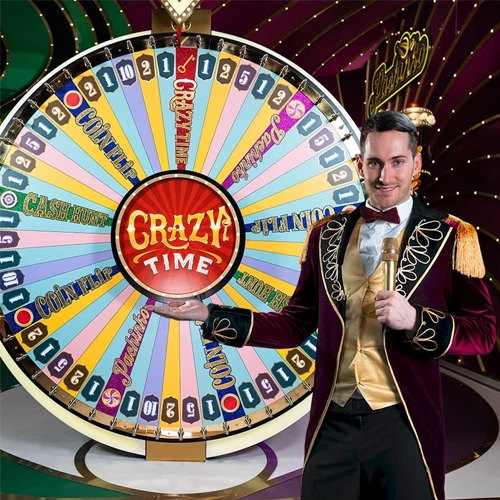







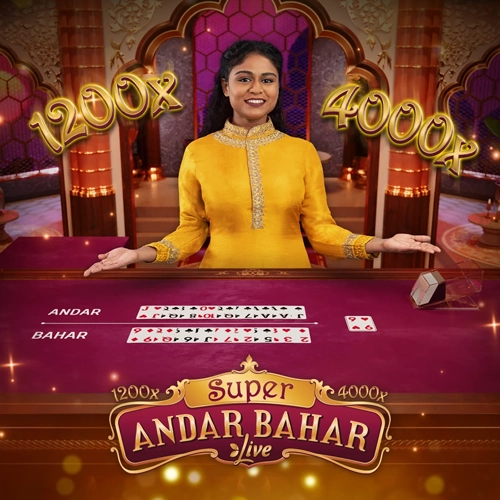







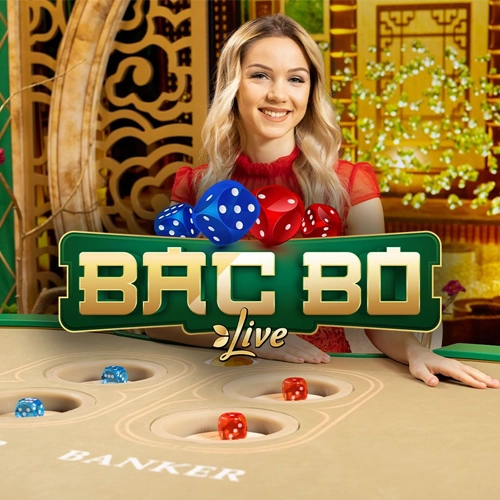











The Playfina casino platform provides a live dealer gaming environment for players in New Zealand. This section operates through real-time video streams from professional studios. Games are conducted by trained dealers following standardized procedures and predefined rules for each variant. The operation of these games complies with the licensing and regulatory frameworks of the respective software providers. Availability of specific live dealer tables and game types is contingent on provider licensing agreements and regional access requirements. The platform's interface displays active tables, current betting limits, and seat availability for user reference.
Live Game Categories and Studio Formats
The live dealer section at Playfina casino New Zealand is organized into distinct game categories. The primary offerings include classic table games such as roulette, blackjack, and baccarat. Each category features multiple variants, which may differ in specific rules, side bet options, or table design. Additionally, game-show style formats are available, which are based on novel mechanics involving wheels, dice, or random number draws, often with simplified betting structures.
Games are broadcast from dedicated studio facilities or integrated casino floors. Studio formats are designed for optimal camera coverage, typically employing a multi-camera setup. This includes a main overhead or wide-angle view of the table, close-up cameras for card dealings or wheel spins, and dedicated feeds for the dealer. In roulette, cameras track the wheel and the betting layout. For card games like blackjack and baccarat, cameras capture the shoe, the dealer's hands, and the placement of cards on the table layout. The studio environment is controlled to ensure consistent lighting and audio clarity for the duration of the broadcast.
The general gameplay principle across all categories involves players placing bets within a timed betting round via the digital interface. Physical game elements - such as a spinning roulette ball, shuffled cards, or thrown dice - are then activated by the dealer. Outcomes are determined by these physical actions and are not influenced by digital random number generators used in standard online casino games. The result is then validated by the dealer or optical recognition systems and instantly reflected in the player's interface.
Technology, Streaming, and User Interface
The delivery of live dealer games relies on continuous video and audio streaming from the studio to the player's device. Streams are encoded in standard formats, typically adjustable to accommodate different network conditions. Players may manually select video quality settings, which range from standard definition to high definition, based on their internet connection stability and data preferences.
The games are accessible through web browsers on desktop computers and via dedicated mobile applications or mobile-optimized sites. Device compatibility is maintained across major operating systems. The user interface is overlaid on the video stream and provides all necessary functional controls. Key interface tools include the betting grid, chip denomination selector, bet confirmation/cancel buttons, and a history panel displaying recent game outcomes. Players input bets by selecting a chip value and clicking on the corresponding area of the virtual table layout.
Network latency directly influences the user experience. A stable, low-latency connection ensures synchronization between the live action and the bet placement interface, minimizing delays in bet registration and result updates. Connection instability can result in stream buffering, audio desynchronization, or temporary disconnection from the table. The platform requires a consistent internet connection, and it is recommended that players use a Wi-Fi connection or a robust mobile data network to maintain stream integrity.
Dealer Responsibilities and Gameplay Procedures
Dealers in the live studio are responsible for managing game flow, enforcing rules, and interacting with players via the video feed. Their primary duties include announcing the opening and closing of betting rounds, conducting the physical game event (spinning the wheel, dealing cards), declaring results, and overseeing the settlement of bets. Dealers follow a strict script and procedural checklist to ensure consistency and regulatory compliance across all sessions.
Game pacing is controlled by timed betting rounds. The dealer will verbally and visually signal the start of a betting period, after which players can place wagers. A countdown timer is usually displayed on-screen. Once the timer expires, no further bets are accepted. The dealer then proceeds with the game action. In card games, specific protocols govern card handling. Cards are dealt from a shoe, often with automated shuffling machines to ensure randomness and efficiency. The use of optical character recognition (OCR) technology is common; this software digitally reads cards, roulette numbers, or dice results and transmits the data instantly to the game interface to update balances and history logs.
Fairness controls are integral to the operation. All equipment, including cards, wheels, and shufflers, is subject to regular inspection. Game outcomes are generated solely by the physical actions in the studio. The continuous video feed, along with the OCR data feed, provides a transparent record of each round. These procedures are conducted in accordance with the internal audit requirements of the game providers and their licensing authorities.
Table Limits, Scheduling, and Regional Access
Live dealer tables operate with defined betting limits, which are displayed on the table selection lobby. Each table has a minimum and maximum permitted stake per betting round. Limits vary significantly between games and specific variants to cater to different player preferences. For instance, a standard roulette table may have different limits than a high-stakes blackjack salon or a game-show format. Players must select a table where their intended wager falls within the advertised range.
Availability of tables fluctuates based on peak player traffic times and studio scheduling. During periods of high demand, additional tables may be opened, and wait times for seat availability may occur. The platform's lobby shows real-time seat occupancy. Provider-based restrictions also apply; certain exclusive or branded tables may have specific access rules or higher minimum stakes.
For players in New Zealand, regional constraints are primarily dictated by the licensing and geo-location policies of the software providers that supply the live games. The Playfina casino platform must enforce these provider-level restrictions. Consequently, the specific portfolio of available live games for New Zealand residents may differ from the full catalog offered in other jurisdictions. Access is managed through technical geo-location checks at the point of login, ensuring compliance. Administrative controls may also temporarily suspend access to individual tables or entire game categories for maintenance or regulatory reasons, with information typically noted in the game lobby.